Layering Lighting for Functional and Ambient Effects
Layered lighting is a foundational concept in interior design that involves combining multiple light sources to achieve both functional and ambient effects. By integrating ceiling fixtures, floor lamps, and task lighting, designers can create illumination that adapts to different activities and times of day. This approach helps avoid harsh shadows and provides flexibility for various needs.
In this article, we explore the principles of layered lighting, the roles of different fixture types, and strategies for implementation. Whether you are planning a new space or updating an existing one, understanding these methods can inform your design decisions.
The Concept of Layered Lighting
Layered lighting refers to the practice of using multiple light sources at different levels and intensities to create a balanced and adaptable lighting scheme. This method goes beyond a single overhead fixture by incorporating ambient, task, and accent lighting. Ambient lighting provides overall illumination, task lighting focuses on specific activities, and accent lighting highlights architectural features or objects.
By layering these types, you can control the mood and functionality of a room. For example, during the day, bright ambient and task lighting support activities like reading or working. In the evening, softer ambient and accent lighting can create a relaxing atmosphere. The key is to have independent control over each layer, often through dimmers or smart switches.
Layered lighting also helps mitigate harsh shadows that can occur with a single light source. When light comes from multiple directions and heights, it fills in shadows and reduces glare. This is particularly important in spaces where visual comfort is essential, such as kitchens, offices, and living areas.
Components of a Layered Lighting System
A well-designed layered lighting system typically includes three main components: ambient, task, and accent lighting. Each serves a distinct purpose and contributes to the overall effect.
Ambient Lighting
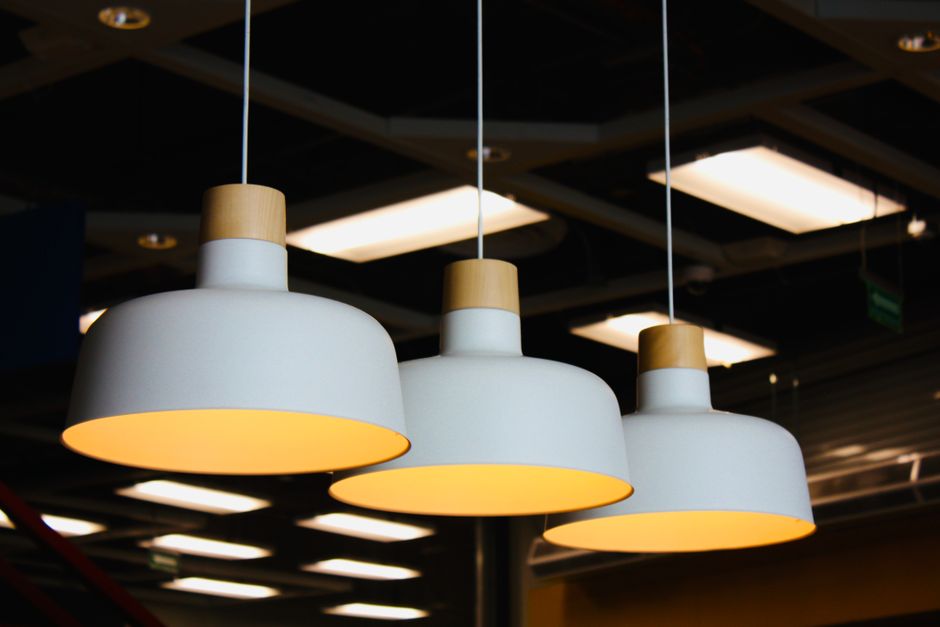
Ambient lighting provides general illumination for a space. It is often achieved through ceiling-mounted fixtures such as chandeliers, pendants, or recessed lights. These fixtures distribute light evenly across the room, creating a base layer. However, relying solely on ambient lighting can result in flat, uninteresting spaces and may cast shadows depending on the fixture’s position.
To enhance ambient lighting, consider using multiple sources rather than a single central fixture. For example, a combination of recessed lights and a ceiling fan with a light kit can provide more even illumination. Dimming capabilities are also beneficial, allowing you to adjust the intensity based on the time of day.
Task Lighting
Task lighting is designed to illuminate specific areas where activities take place, such as reading, cooking, or working. It is typically more focused and brighter than ambient lighting. Common task lighting fixtures include desk lamps, under-cabinet lights, and reading sconces.
When planning task lighting, consider the location and direction of the light to avoid glare and shadows. For instance, a desk lamp should be positioned so that light falls directly on the work surface without shining into the user’s eyes. Adjustable fixtures are useful for directing light where it is needed.
Accent Lighting
Accent lighting adds depth and drama by highlighting specific features, such as artwork, architectural details, or plants. It is often achieved with track lighting, wall sconces, or spotlights. Accent lighting can also contribute to the overall ambient effect when used strategically.
While accent lighting is not essential for functionality, it enhances the visual appeal of a space. It can be particularly effective in creating focal points and adding layers of interest.
Combining Fixtures for Balanced Illumination
To achieve a harmonious layered lighting design, it is important to combine different fixture types thoughtfully. Ceiling fixtures, floor lamps, and table lamps each have unique characteristics that can complement one another.
Ceiling fixtures, such as pendants or flush mounts, provide ambient light from above. Floor lamps can add ambient and task lighting at a lower level, filling in shadows and providing flexibility. Table lamps are ideal for task lighting and can also serve as accent pieces. By mixing these sources, you can create a dynamic lighting environment that adapts to various needs.
When selecting fixtures, consider their scale, style, and light output. The goal is to create a cohesive look while ensuring each layer functions effectively. Dimming controls are highly recommended to adjust the balance between layers throughout the day.
Practical Strategies for Implementation
Implementing layered lighting requires planning and attention to detail. Start by assessing the room’s functions and identifying areas that need focused light. Consider the following steps:
- Determine the primary activities in the space and the lighting requirements for each.
- Choose ambient fixtures that provide even, diffused light. Recessed lights or a central fixture with a diffuser can work well.
- Add task lighting where needed, such as under-cabinet lights in a kitchen or a desk lamp in a home office.
- Incorporate accent lighting to highlight features and add depth. Use adjustable fixtures to direct light precisely.
- Install dimmers on all layers to control intensity and create different moods.
- Consider smart bulbs or lighting systems that allow for scheduling and scene setting.
By following these steps, you can create a lighting scheme that is both functional and adaptable.
Avoiding Common Pitfalls
Even with careful planning, some common mistakes can undermine a layered lighting design. One pitfall is over-reliance on a single light source, which can lead to harsh shadows and an inflexible atmosphere. Another is insufficient task lighting, which can cause eye strain during detailed work.
Additionally, using mismatched color temperatures can create an inconsistent look. It is generally advisable to use bulbs with similar color temperatures (measured in Kelvins) throughout a space, unless a specific effect is desired. For example, warmer temperatures (2700K–3000K) are often used in living areas, while cooler temperatures (4000K–5000K) are common in workspaces.
Finally, neglecting dimming capabilities can limit the versatility of the lighting system. Dimmers allow you to transition from bright, task-oriented lighting to soft, ambient lighting with ease.
In conclusion, layering lighting is a versatile approach that enhances both the functionality and ambiance of a space. By combining ceiling fixtures, floor lamps, and task lighting, you can avoid harsh shadows and create adaptable illumination for daytime tasks and evening relaxation. With careful planning and the right controls, layered lighting can transform any room into a comfortable and visually appealing environment.